Food insecurity in Iowa presents a complex and multifaceted landscape that extends beyond simple statistical measures. While about 9% of households in the state experience difficulties in accessing enough nutritious food—comparatively lower than the national average of 11%—this figure alone does not fully reveal the depth and diversity of the problem within Iowa’s communities. Behind this seemingly modest percentage lies a web of underlying factors that vary significantly across different regions, population groups, and economic circumstances.
In urban areas, for example, food insecurity can be driven by economic disparities, limited access to healthy foods, and deficiencies in food assistance services, even as these communities often have more grocery stores and food resources than rural areas. Conversely, rural regions may benefit from stronger community ties and informal resource-sharing practices, yet face challenges such as limited transportation, fewer grocery options, and reduced access to health and social services. Such disparities mean that some populations are disproportionately affected, with high-risk groups including university students, racial and ethnic minorities, and low-income households.
Moreover, these differences are exacerbated by factors such as employment instability, housing affordability, and local food environments, which further hinder residents’ ability to secure nutritious food consistently. For instance, recent studies among university students in Iowa indicate alarmingly high rates of food insecurity—ranging from 24% to 28%—highlighting that even relatively privileged communities face significant barriers (Davitt et al., 2021). Similarly, researchers have observed that the COVID-19 pandemic exacerbated these inequalities, particularly among rural households and vulnerable populations, highlighting how external shocks can disproportionately amplify pre-existing vulnerabilities (Chen et al., 2022).
This nuanced picture underscores that simple statistics can mask the complexity of food insecurity in Iowa. To effectively address this issue, policymakers and community leaders must understand the diverse and localized experiences of food insecurity, which are shaped by geographic, socio-economic, and demographic factors. Recognizing these variances is crucial for designing tailored solutions that can effectively reach and support the most vulnerable populations across the state.
Deep Dive into the Food Insecurity Landscape
In Iowa, the landscape of food insecurity is characterized by significant disparities between urban and rural communities, influenced by a complex array of interconnected factors. Surprisingly, to some, urban areas often report higher levels of food insecurity than rural regions, a phenomenon driven primarily by economic disparities and barriers to accessing adequate food resources. Cities and metropolitan centers, despite having more grocery stores and markets, frequently face challenges such as higher living costs, unemployment, housing instability, and limited access to affordable, healthy food options. Additionally, food deserts—areas with limited or no access to fresh, nutritious food—are prevalent in many urban neighborhoods, compounding food insecurity even in places with an abundance of grocery outlets. These environments make it difficult for residents, especially those with low incomes, to obtain nutritious foods necessary for good health consistently (Gatewood, n.d.; Morton et al., 2007).
Conversely, rural communities in Iowa face distinct challenges, including geographic isolation, transportation barriers, and limited access to retail outlets that sell fresh produce and healthy food options. While informal communal support networks and local food sharing often serve as vital safety nets in these regions, the structural barriers—such as limited infrastructure and economic opportunities—can hinder residents’ ability to secure stable food sources. Rural households may also have less access to government programs and nutrition assistance services, which tend to be more concentrated in urban settings.
A particularly alarming aspect of Iowa’s food insecurity problem is its prevalence among university student populations. At Iowa State University, recent studies reveal food insecurity rates ranging from 24% to 28%, highlighting that even relatively resource-rich populations are vulnerable (Davitt et al., 2021). This is troubling because food insecurity among students is linked to poor dietary patterns, which can impair cognitive function, academic performance, and overall well-being. Students experiencing hunger are more likely to face difficulties concentrating, experience fatigue, and struggle with mental health issues—all of which can hinder their ability to succeed academically and pursue their goals.
The COVID-19 pandemic starkly revealed and intensified these vulnerabilities, especially among rural households and marginalized populations. Lockdowns, job losses, and disruptions to supply chains made it even harder for already vulnerable communities to access nutritious foods, deepening existing disparities (Chen et al., 2022). Rural households, often reliant on limited local markets and with fewer social safety net options, faced compounded hardships during this period.
Understanding this nuanced landscape is essential for designing effective solutions. Recognizing that food insecurity manifests differently across various communities allows policymakers and organizations to develop tailored strategies that address specific barriers faced by urban and rural residents, students, and minority populations in Iowa. This comprehensive approach is essential for creating sustainable and equitable food systems that serve all residents.
Modern Homesteading: A Path Forward
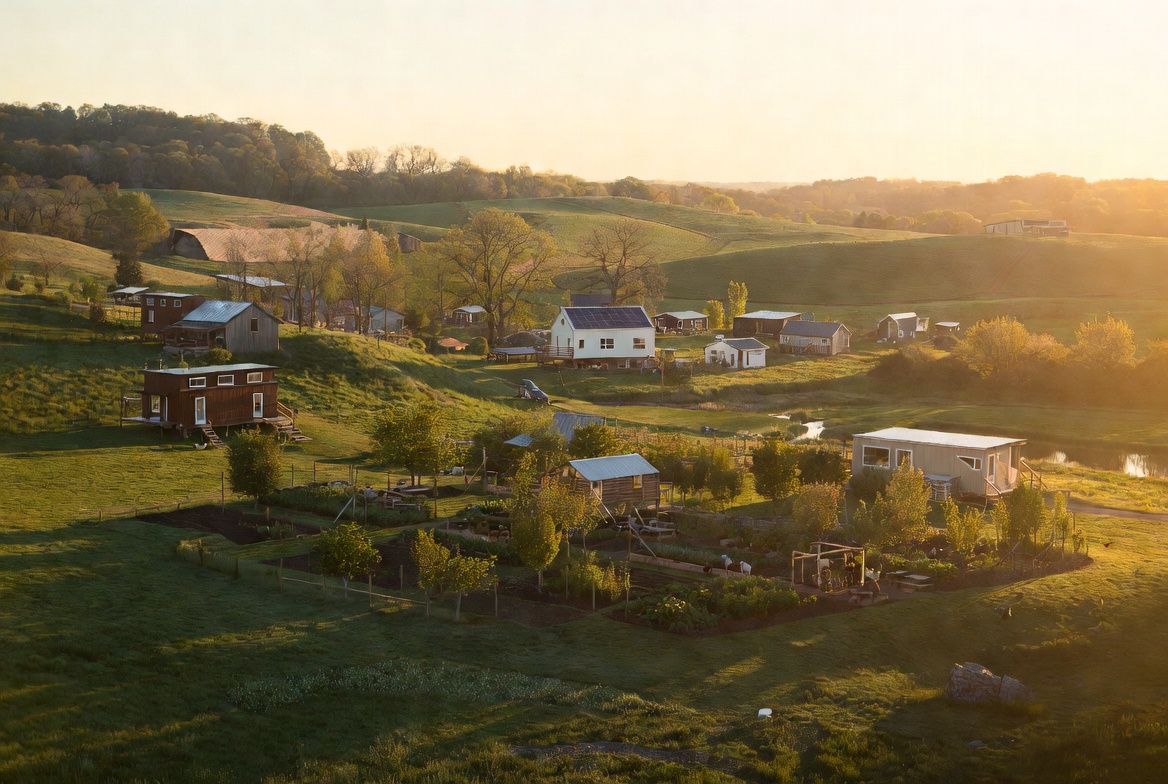
Amidst the complex challenges of food insecurity across Iowa, modern homesteading emerges as a viable and empowering strategy for building resilient, localized food systems. This movement focuses on fostering self-sufficiency, community engagement, and sustainable practices—elements that can significantly mitigate the disparities and vulnerabilities that characterize Iowa’s food landscape.
Local Food Production
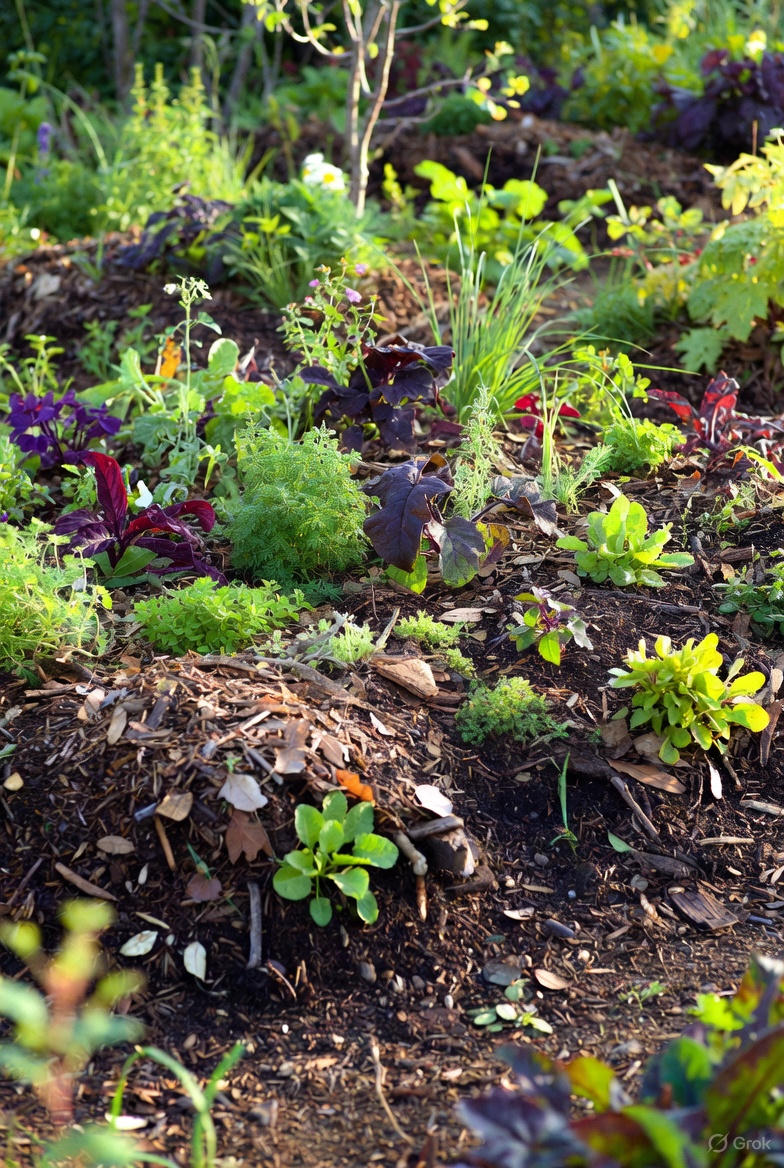
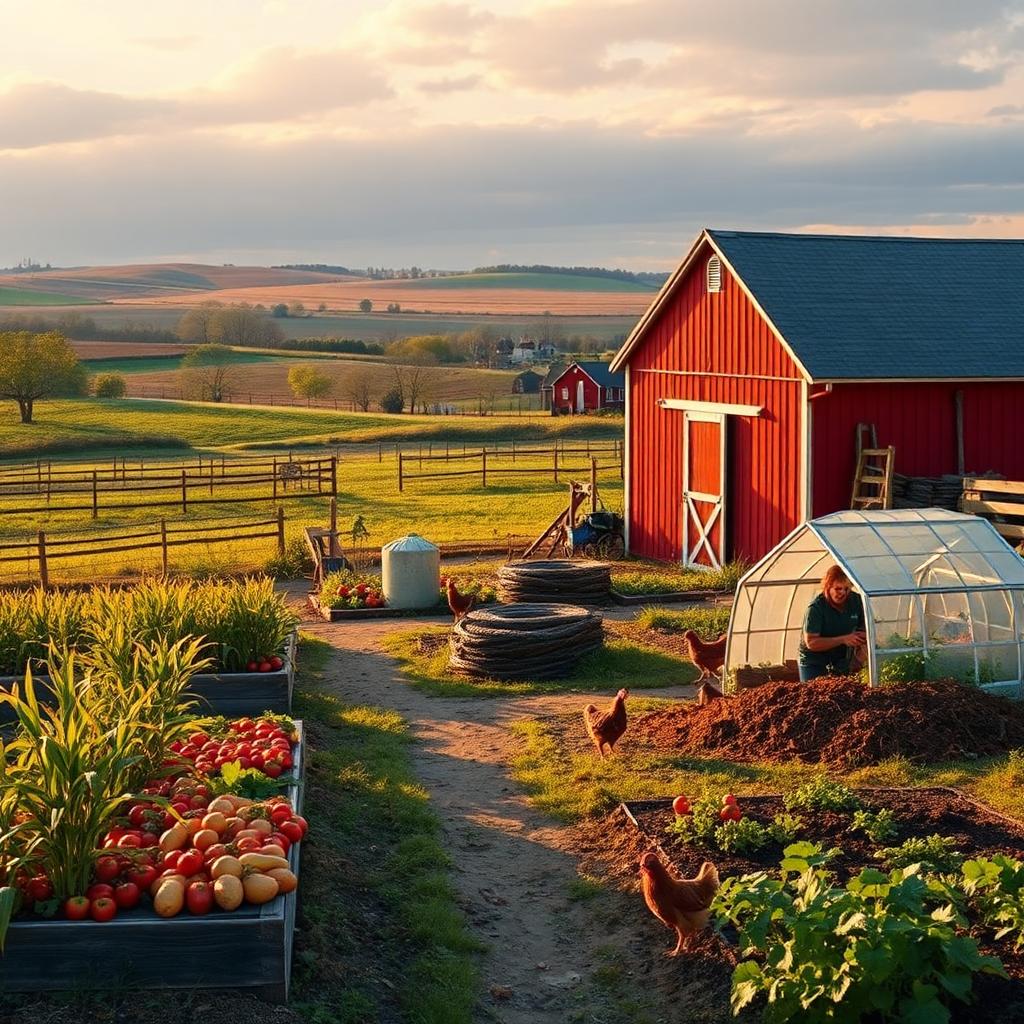
At its core, homesteading champions the idea of producing food close to where it is consumed. Homesteaders cultivate a diverse range of crops, raise livestock, and employ food preservation techniques, thereby increasing the availability of fresh, nutritious foods within their communities. By growing fruits, vegetables, herbs, and raising small animals like chickens or goats, homesteaders reduce reliance on imported, processed, and sometimes less healthy foods. This localized food production not only improves access to fresh produce but also decreases the environmental footprint associated with long-distance food transportation. Ultimately, increasing on-site food production helps bolster community food security, making local systems more resilient to disruptions such as supply chain interruptions or economic downturns.
Community Empowerment
Homesteaders often serve as catalysts for community education and empowerment. Through workshops, farm tours, and collective projects, they share knowledge about sustainable farming, organic gardening, food preservation, composting, and livestock management. These educational initiatives can be particularly impactful in underserved communities, where access to such information may be limited. Empowering individuals with practical skills fosters a culture of self-reliance, reduces dependence on external food sources, and encourages a mindset of resilience. As community members gain the ability to grow and preserve their own food, they become better equipped to withstand economic and environmental challenges, fostering a sense of ownership and pride in their food systems.
Building Stronger Networks
Homesteading naturally encourages the development of local food networks. Homesteaders and small-scale farmers can organize cooperatives, farmers’ markets, and community-supported agriculture (CSA) programs that facilitate the sharing and sale of surplus food. These channels serve multiple purposes: they help distribute excess produce to neighbors in need, reduce food waste, and support local economies. Such networks also create social bonds among participants, reinforcing community cohesion and collective resilience. They enable households to access a wider variety of healthy foods and provide opportunities for bartering and resource sharing, fostering a sense of collective stewardship over local food resources.
Enhancing Resilience
Rural communities in Iowa already utilize informal resource-sharing practices—such as seed exchanges, shared tools, and collective farming efforts—that contribute to local resilience. Modern homesteading can amplify these existing strengths by transforming informal practices into organized systems of collective action. Strengthening these networks offers residents robust coping mechanisms during economic downturns, climate disruptions, or public health crises. For example, community gardens and seed banks can serve as repositories of genetic diversity and cultural heritage, safeguarding food sovereignty. Homesteading enhances the capacity of communities to adapt, innovate, and sustain themselves in the face of adversity, thereby reducing vulnerability and promoting long-term stability.
Policy and Structural Support
To maximize the impact of homesteading on alleviating food insecurity in Iowa, coordinated policies and structural support are vital components of a comprehensive strategy. These initiatives can create an enabling environment that encourages widespread adoption of sustainable food production practices and ensures equitable access for all community members.
Incentives and Funding
One of the most effective ways to promote homesteading is through financial incentives. Providing grants, low-interest loans, or subsidies can help aspiring homesteaders acquire necessary equipment, seeds, livestock, and infrastructure. Additionally, offering targeted training programs—either through government agencies, non-profit organizations, or extension services—can equip individuals with the skills needed to succeed in sustainable farming and food preservation. Tax incentives for small-scale farmers and urban homesteaders can further motivate residents to invest time and resources into local food production, ultimately expanding the number of active participants in strengthening community food systems.
Land Access
Access to land remains one of the most significant barriers to homesteading, especially for low-income individuals and those in urban or densely populated areas. Facilitating access to land through innovative policies is crucial for effective land management. This could involve expanding public land programs that allocate unused municipal or state land for community gardens and small farms, establishing land trusts to preserve affordable farmland for future generations, or developing cooperative land ownership models that allow multiple households to farm shared plots. Such measures can lower financial and logistical barriers, enabling a broader segment of the population to engage in food production activities and build local resilience.
Education and Training
Education is fundamental to fostering sustainable and prosperous homesteading practices. Municipalities and community organizations can organize workshops and training sessions focused on organic farming techniques, food preservation methods, soil health, pest management, and small-scale livestock management. Providing accessible, culturally relevant, and hands-on learning opportunities can demystify homesteading, attract new participants, and promote best practices. Moreover, offering business development skills—such as marketing, financial planning, and community outreach—can help homesteaders build sustainable income streams, transforming their food production efforts into viable livelihoods.
Market Development
Supporting the development of local markets is crucial for ensuring that homesteaders can sell their surplus produce and generate a sustainable income. Policies that bolster farmers’ cooperatives, establish local farmers’ markets, and promote direct-to-consumer sales (such as farmstands and community-supported agriculture programs) can expand economic opportunities for small-scale producers. Enhancing transportation infrastructure, providing marketing training, and establishing digital platforms for online sales and marketing are additional ways to help homesteaders reach a wider audience. Strengthening local market channels not only benefits individual farmers but also reinforces community-based food systems and reduces reliance on external supply chains.
Final Thoughts:
While the landscape of food insecurity in Iowa is complex, characterized by disparities across urban and rural settings and among vulnerable populations, it also offers opportunities for innovative, community-based solutions. Homesteading, when supported by thoughtful policies and community engagement, can serve as a powerful tool to improve local food production, foster self-reliance, and strengthen resilience.
By investing in these grassroots initiatives and addressing structural barriers, Iowa can move closer to a future where every resident has reliable access to nutritious, locally grown food. This integrated approach—combining policy support with community-driven action—holds the potential to transform the state’s food security landscape and improve health outcomes for all Iowa residents.
References:
Chen, A., Merritt, K., Greenwood, A., Syrop, C., & Haugsdal, M. (2022). Covid-19 expands food insecurity disparities among rural, high-risk obstetrics patients. Proceedings in Obstetrics and Gynecology, 11(1). https://doi.org/10.17077/2154-4751.31117
Chennault, C. (2021). Relational life: lessons from black feminism on whiteness and engaging new food activism. Antipode, 54(2), 357-377. https://doi.org/10.1111/anti.12775
Davitt, E., Heer, M., Winham, D., Knoblauch, S., & Shelley, M. (2021). Effects of covid-19 on university student food security. Nutrients, 13(6), 1932. https://doi.org/10.3390/nu13061932
Gatewood, J. Barriers to participating in a community-based cardiovascular disease risk reduction program.. https://doi.org/10.31274/rtd-180813-8801
Marco, M. and Thorburn, S. (2009). The relationship between income and food insecurity among oregon residents: does social support matter?. Public Health Nutrition, 12(11), 2104-2112. https://doi.org/10.1017/s1368980009990243
Morton, L., Bitto, E., Oakland, M., & Sand, M. (2007). Accessing food resources: rural and urban patterns of giving and getting food. Agriculture and Human Values, 25(1), 107-119. https://doi.org/10.1007/s10460-007-9095-8
Palmer, S., Knoblauch, S., Winham, D., Hiller, M., & Shelley, M. (2020). Putting knowledge into practice: low-income women talk about food choice decisions. International Journal of Environmental Research and Public Health, 17(14), 5092. https://doi.org/10.3390/ijerph17145092