As homesteaders in Iowa, we know that our land is our lifeline. From the rolling prairies to the fertile river valleys, the soil beneath our feet supports bountiful harvests, resilient pastures, and sustainable living. But what if I told you that one of nature’s most powerful processes, ecological succession, could be your ally in cultivating thriving soil? In this post, we’ll explore soil health, the magic of ecological succession, and why investing in good soil is essential for long-term homesteading success. Let’s dig in!
What Is Soil Health, and Why Does It Matter?
Soil health isn’t just about dirt; it’s about a living, breathing ecosystem teeming with microbes, fungi, earthworms, and organic matter. Healthy soil is porous, nutrient-rich, and capable of retaining water while resisting erosion. In Iowa, where heavy rains and harsh winters can strip away topsoil, maintaining this balance is crucial.
Poor soil leads to compacted ground, nutrient deficiencies, and increased reliance on chemical inputs. This not only drains your wallet but also harms the environment, contributing to issues like waterway pollution in the Mississippi River basin. On the flip side, healthy soil boosts crop yields, supports biodiversity, and sequesters carbon, helping combat climate change right from your backyard. For homesteaders, it’s the foundation of self-sufficiency: better soil means healthier plants, animals, and ultimately, families.
Understanding Ecological Succession: Nature’s Blueprint for Renewal
Ecological succession is the natural progression of plant and animal communities over time, transforming barren or disturbed land into a mature ecosystem. Think of it as nature’s way of healing and building resilience.
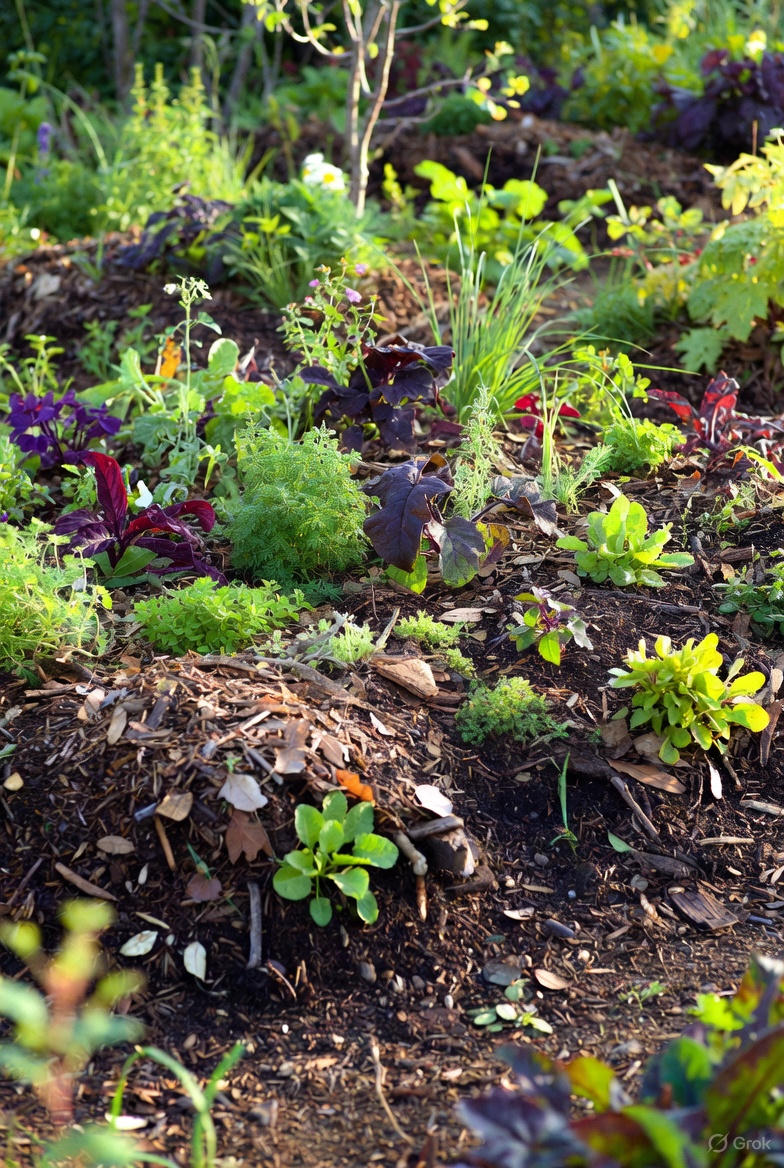
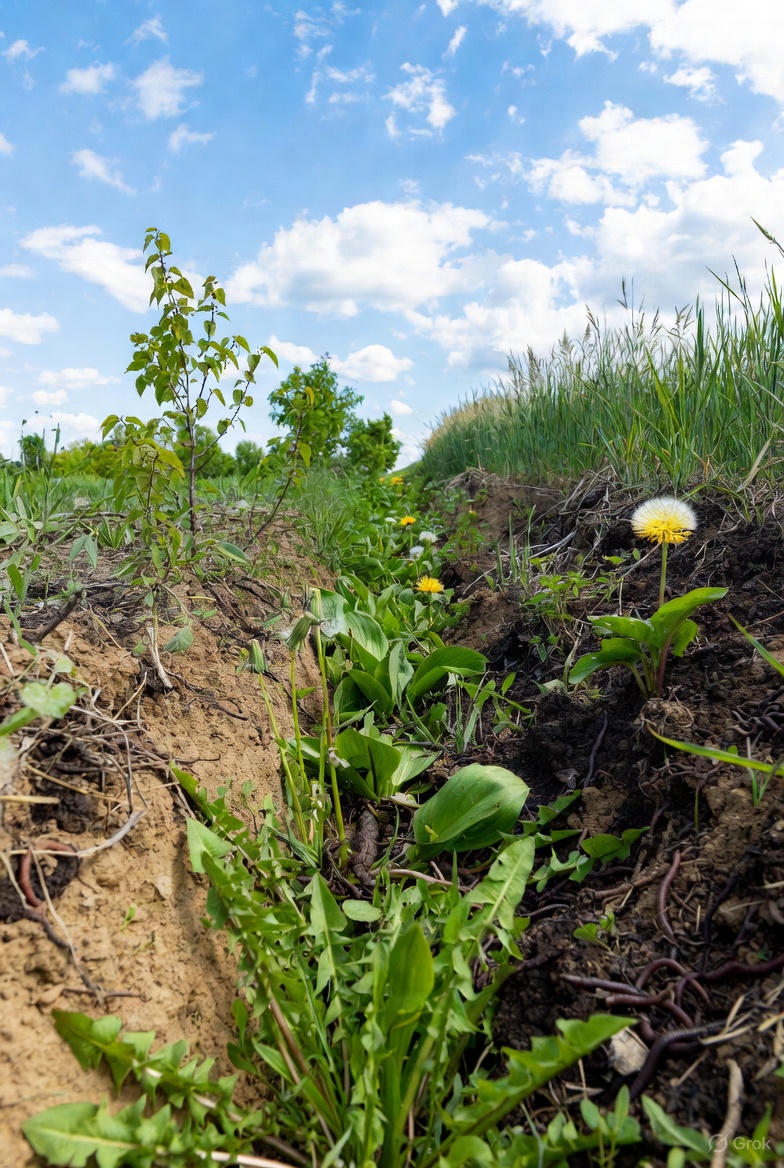
There are two main types: primary and secondary succession. Primary succession starts from scratch, like on bare rock after a glacial retreat—not common in modern Iowa. Secondary succession, however, is what you’ll often see on abandoned fields or after tilling. It begins with pioneer species like weeds and grasses that colonize disturbed soil. These hardy plants break up compaction, add organic matter through their roots and debris, and attract pollinators and soil organisms.
Over the years, these pioneers give way to shrubs and small trees, then to a climax community, often a diverse woodland or prairie in Iowa’s context. Each stage improves the soil: roots aerate it, decaying plant matter builds humus (that rich, dark organic layer), and microbial activity increases, cycling nutrients such as nitrogen and phosphorus.
In Iowa’s temperate climate, succession can happen relatively quickly if we let it. Our native tallgrass prairies are a prime example, a climax community that’s incredibly soil-enriching, with deep roots that prevent erosion and store water.
How Ecological Succession Builds Superior Soil
The beauty of succession lies in its synergy with soil health. As plants succeed one another, they engineer the soil from the ground up. Pioneer weeds, for instance, are often nitrogen-fixers, such as clover, pulling atmospheric nitrogen into the soil for subsequent plants. As biomass accumulates, it feeds soil microbes, which in turn create aggregates—clumps that improve structure and water infiltration.
This process addresses common Iowa challenges such as soil compaction from heavy machinery and nutrient loss from monoculture farming. By mimicking succession, you avoid the pitfalls of conventional agriculture, where tilling disrupts microbial networks and exposes soil to wind erosion (hello, Dust Bowl lessons).
Research from Iowa State University shows that incorporating cover crops—a nod to early succession stages—can increase soil organic matter by 20-30% over a few years. This leads to better water retention, reducing irrigation needs during dry spells, and enhancing nutrient availability without synthetic fertilizers.
Practical Steps to Harness Succession on Your Homestead
Ready to apply this? Here’s how Iowa homesteaders can foster ecological succession for top-notch soil:
1. Assess and Observe Your Land: Start by mapping your property. Identify disturbed areas, like overgrazed pastures or tilled gardens. Use tools such as soil tests from your local extension office to establish baseline pH, nutrient levels, and organic matter.
2. Plant Cover Crops and Pioneers: After harvest, sow mixes of rye, clover, and radishes. These act as living mulch, preventing erosion and building soil over winter. In spring, they decompose, adding fertility.
3. Create Succession Zones: Designate areas for natural progression, plant native perennials like big bluestem or switchgrass in field edges. Over time, these will attract birds and insects, enhancing biodiversity and soil life.
4. Minimize Disturbance: Ditch deep tilling; opt for no-till methods. Use mulch from your own compost or wood chips to mimic leaf litter in succession.
5. Incorporate Animals Wisely: Rotational grazing with chickens or goats simulates natural herbivory, speeding up succession without overgrazing. Their manure? Instant nutrient boost.
6. Monitor and Adapt: Track changes with simple metrics like earthworm counts or infiltration tests (pour water on soil and time how fast it absorbs). Adjust based on Iowa’s variable weather—droughts might need more drought-tolerant species.
Remember, patience is key. Succession isn’t overnight; it might take 3-5 years to see dramatic soil improvements, but the payoff is lasting.
Why Developing Good Soil Is Non-Negotiable for Homesteaders
In a world of unpredictable markets and climate shifts, good soil is your insurance policy. It ensures food security, reduces input costs, and preserves land for future generations. For Iowa folks, where agriculture drives the economy, healthy soil also means cleaner rivers and thriving wildlife.
By embracing ecological succession, you’re not just farming—you’re stewarding an ecosystem. It’s empowering: turning “weeds” into allies and letting nature do the heavy lifting.
So, fellow homesteaders, grab your seeds and start succession-ing! Share your soil stories in the comments, what’s worked on your Iowa plot? Let’s grow together.