
Homesteading can be an exciting and rewarding life, focusing on independence and self-sufficiency, but it comes with a lot of action and responsibility. The satisfaction and simplicity of life are only available if you keep your attention on both the livestock and the land and don’t let complacency pull you down. Losing a bit of focus on either can lead to neglect and negative results for your animals, your land, and your homestead.
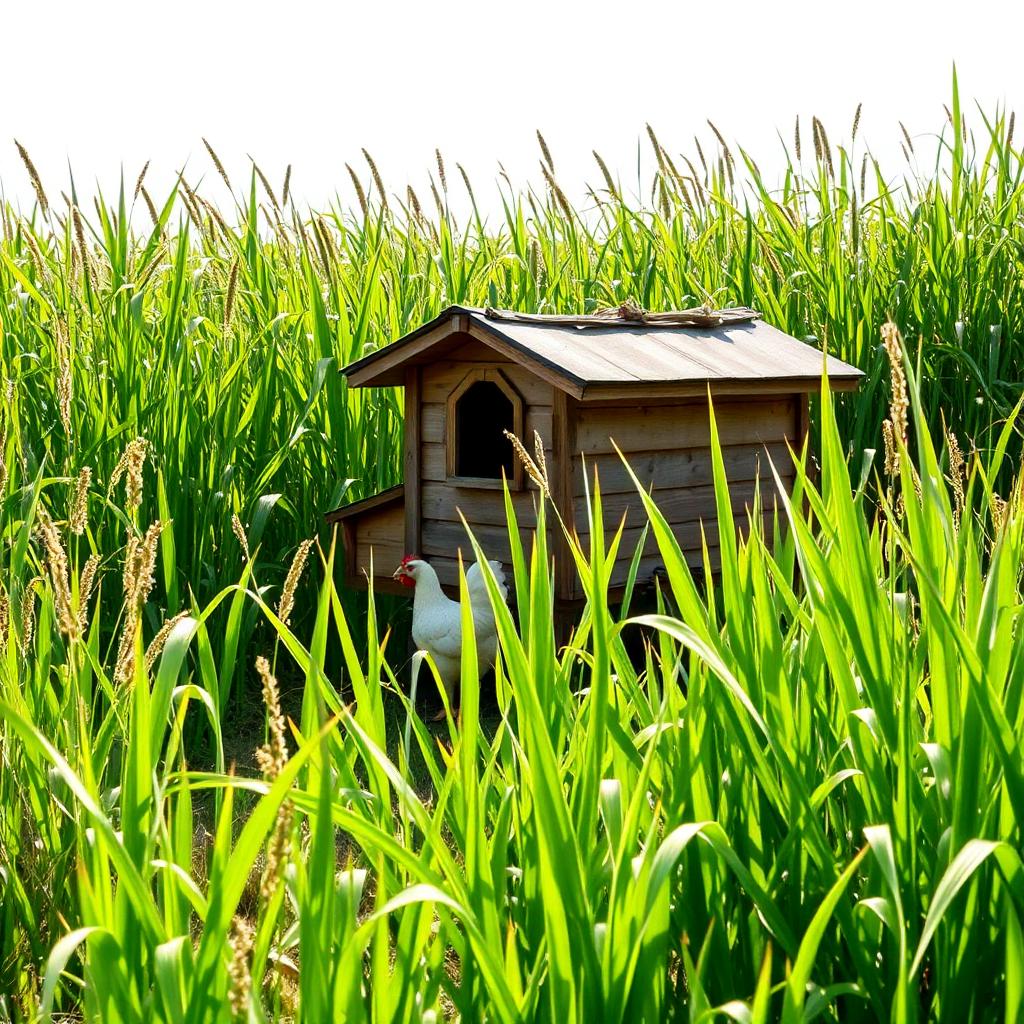
I was just reminded of this experience when we lost two of our chickens at the hands of an unknown predator. Their loss could have been avoided, and it was an example of how easy it is to fall into the trap of complacency after having no issues for a long time. In this case, our complacency turned into neglect, letting the grass become overgrown around the chicken coop, providing cover for the predator. This experience serves as both a challenge and a valuable lesson in the importance of regular maintenance.

When managing livestock, complacency can take on different roles. Assessing the health of your animal, vaccinating, or managing animal nutrition can make a significant impact on the health of your animals. Animals, like humans, need checks and balances for their health and productivity. Underestimating the care that can be required for routine issues could result in impacting conditions for your flock. So, whether it’s creating record-keeping strategies or familiarizing yourself with best practices for animal husbandry, it’s important that you maximize the health of your livestock.
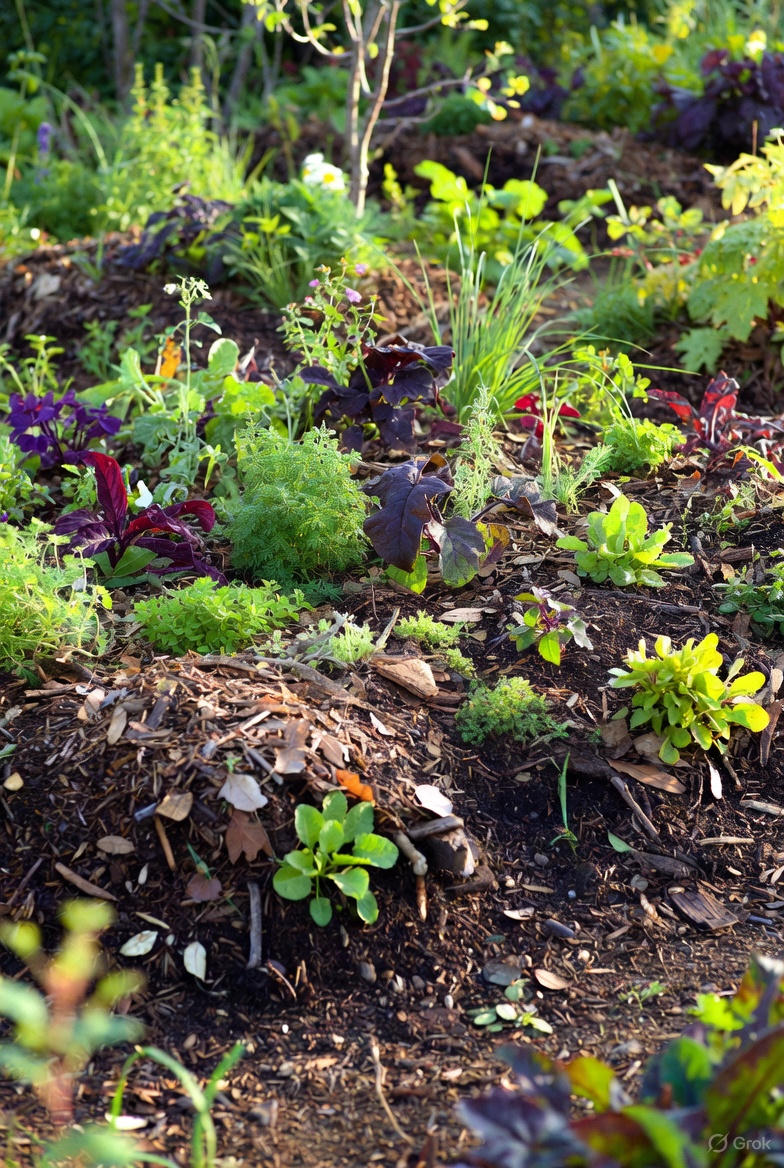
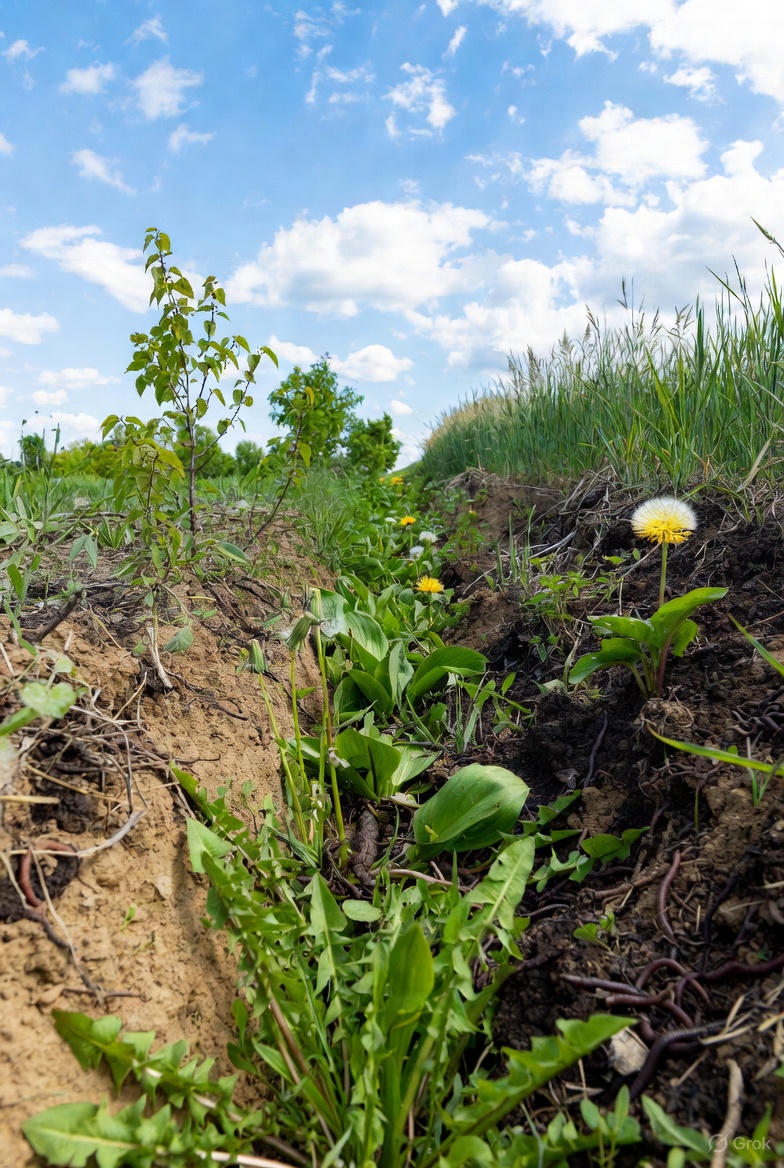
Just like managing livestock, land management requires thought and action that can aid a successful homesteading life. Soil health, for example, is key. Where farmers used to rely on conventional practices, keeping internal checks and tests can ultimately enrich or deplete soil health, generating environmental disorder in agricultural practice or food systems. The presence of invasive species is also a reminder of environmental disturbance, underlining the importance of active management and interactions of your land in protecting native plants or species and keeping overall environmental health and ecological balance.
Inconsiderate climate change and we’re left with surprises of weather that we couldn’t plan for or provide for with the steps we put in place, with the variance of seasonal weather conditions. Expecting the weather to behave seasonally isn’t infallible, and committing to varying our vegetable crops can add diversity to our homesteading pursuit, and heavy rains can also significantly affect growth conditions. This provides evidence of significant action to provide sustainable solutions, dependent on your land and situation, that needs to be established.
A complacent response to losing sight of your relationship with your homestead can take many forms. By practicing an attitude of perpetual learning, you can adapt to a loss of practice and changes in agricultural and habitat practices. Participating or exploring information exchanges might mean the most good for you, animal care, as well as maximizing the long life of your homestead as it reaches its full potential, not just for you but as a system in the community.
While homesteading can be a rewarding life, it requires constant vigilance, management, and maintenance to avoid complacency. By optimally caring for livestock, land and information to sustain and be flexible with your land and expectations, you can also sustain the health and longevity of your micro system as a homesteader to pass on for generations to come.