
In our fast-paced, screen-dominated world, many of us chase quick dopamine hits, likes, notifications, and instant deliveries. But what if a slower, more grounded lifestyle could actually rewire your brain for deeper, more sustainable happiness? Enter homesteading: growing your own food, raising animals, building with your hands, and living closer to nature. Far from just a hobby or survival strategy, homesteading triggers real neuroplastic changes, the brain’s remarkable ability to reorganize itself through new experiences and habits.
Through consistent effort, immersion in nature, and meaningful work, homesteading shifts brain chemistry, strengthens neural pathways, and often undoes some of the “damage” from modern overstimulation. Here’s how science and real-life experience explain this profound transformation.
Shifting Reward Pathways: From Dopamine Spikes to Serotonin and Oxytocin Fulfillment
Modern life is built on short, sharp dopamine rewards: a ping from your phone, fast food, endless scrolling. Homesteading flips the script. Planting seeds in spring, tending crops through seasons, harvesting months later, or raising animals that depend on your daily care, these are classic examples of delayed gratification.
This reinforces slower, more stable reward systems tied to serotonin (for steady mood and contentment) and oxytocin (for bonding, trust, and connection, especially with family, community, or animals). Research on “effort-driven rewards” (such as those from behavioral neuroscientist Dr. Kelly Lambert) shows that these activities build resilience against depression by prioritizing long-term meaning over fleeting highs. Many homesteaders describe it as trading addictive quick fixes for a quieter, more profound sense of accomplishment.
Boosting Brain Growth Factors and Neuroplasticity
Physical labor, digging beds, hauling water, chopping wood, increases BDNF (brain-derived neurotrophic factor), often called “fertilizer for the brain.” BDNF promotes neuron growth, strengthens synapses, and enhances memory and learning in the hippocampus.
Gardening, a cornerstone of homesteading, has been shown in studies to elevate BDNF levels after just 20 minutes of activity, supporting cognitive function and potentially lowering dementia risk in older adults. Enriched environments (such as a homestead full of varied tasks and nature) mirror animal studies, in which complex settings dramatically increase neural plasticity and cognitive reserve.
Nature’s Natural Antidepressant: Soil, Microbes, and Serotonin
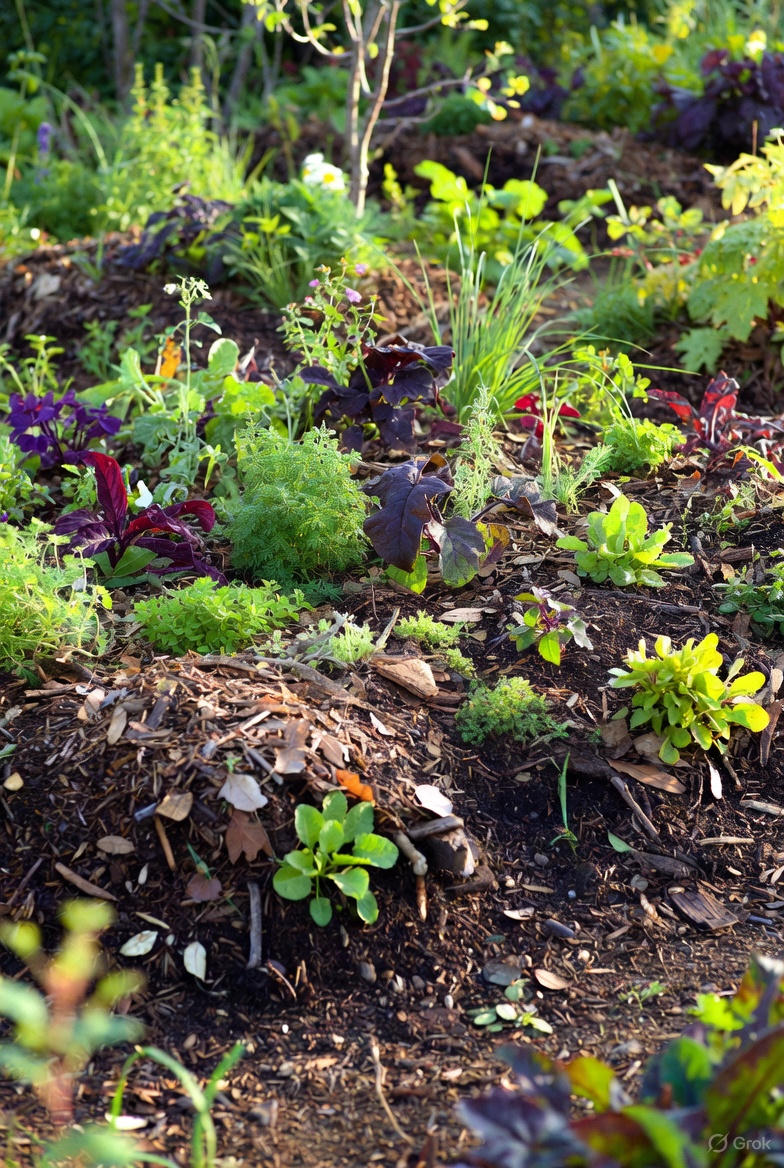
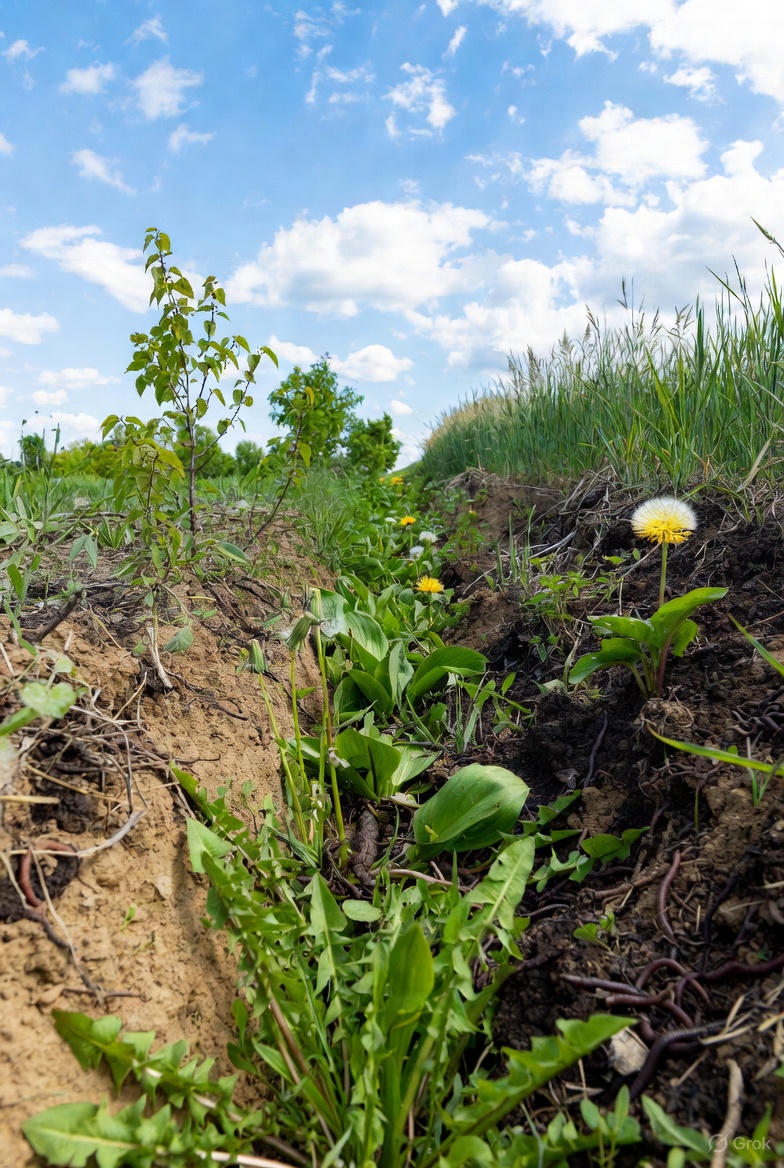
One of the most fascinating benefits comes straight from the dirt. The soil bacterium Mycobacterium vaccae (common in healthy garden soil) triggers serotonin release when inhaled or absorbed through skin contact. Studies dating back over a decade show it reduces anxiety-like behaviors in animals and boosts mood-regulating pathways—earning it nicknames like “nature’s Prozac.”
Homesteaders who garden regularly report lower stress, better emotional regulation, and even antidepressant-like effects. Combine this with natural light, which regulates circadian rhythms (lowering cortisol), and physical activity, which releases endorphins, and you get a powerful anti-stress cocktail.
Sharpening Focus, Resilience, and Executive Function
Constant real-world problem-solving—fixing a broken fence in a storm, troubleshooting crop failure, learning new skills like canning or animal husbandry- strengthens the prefrontal cortex, the brain’s executive center for attention, planning, and impulse control.
Many who switch to homesteading notice reduced anxiety from less digital noise, improved patience, and a “quieter mind.” The tangible results (a full pantry, healthy livestock, a sturdy outbuilding) build self-efficacy, the belief in your ability to handle challenges, which research links to lower depression and higher life satisfaction.
Fostering Connection and Purpose
Working alongside family or partners releases oxytocin, enhancing bonding circuits. Caring for animals creates loops of empathy and responsibility. Overall, homesteading aligns the brain with ancestral patterns: effort, community, and direct ties to survival and nature. This fosters a deep sense of purpose, which modern psychology identifies as a key protector against mental health struggles.
A Brain Aligned with Human Nature
These changes don’t happen overnight; they build over months and years of consistent habits. But the payoff is often described as transformative: less reactivity to small stressors, more grounded self-worth from real achievements, and joy rooted in process rather than consumption.
If you’re feeling burned out by modern life, homesteading isn’t just about growing food—it’s about growing a more resilient, fulfilled brain. Start small: a garden bed, some chickens, or even preserving your own food. Your neurons (and your mood) might just thank you.

Leave a Reply