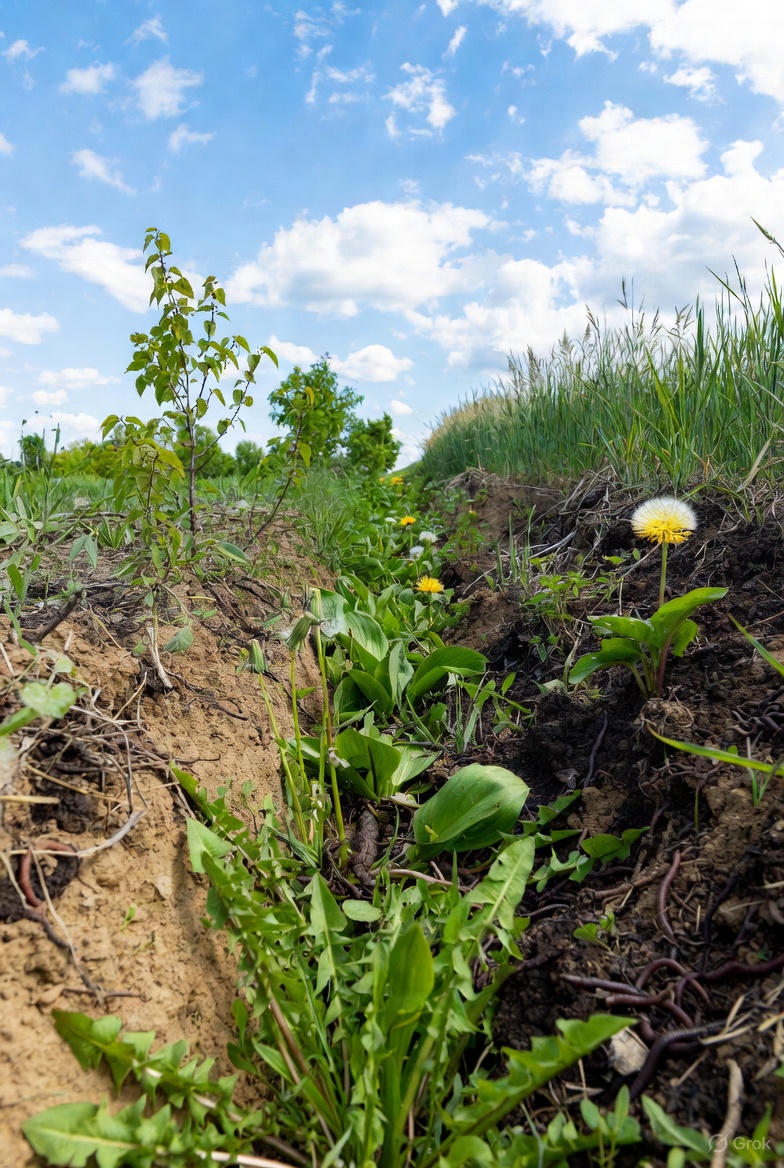
As an Iowa homesteader, you’re no stranger to the challenges of Midwest weather—harsh winters that freeze the ground solid, hot summers with occasional droughts, and fertile but sometimes compacted prairie soils. Enter hugelkultur, a time-tested permaculture technique that’s gaining traction among sustainable farmers and gardeners. Pronounced “HOO-gul-kul-toor,” this German word translates to “hill culture” or “mound culture.” It involves building raised garden beds from decaying wood and organic materials, creating self-sustaining ecosystems that retain water, build soil fertility, and reduce the need for inputs like fertilizers and irrigation. In this article, we’ll dive into the history of hugelkultur, provide a step-by-step guide to building and using these beds on your Iowa property, explore the benefits tailored to our region’s climate, and address potential drawbacks with practical solutions. Whether you’re starting a new vegetable patch or expanding your homestead, hugelkultur could transform your approach to gardening.
The Rich History of Hugelkultur
Hugelkultur’s roots stretch back centuries, originating in Germany and Eastern Europe as a practical solution for farming in challenging terrains. Ancient practitioners used it to cultivate swamps, marshes, and poorly drained lands where traditional plowing was impossible. The method likely began as simple trash heaps covered with soil to control odors, evolving when people noticed exceptional plant growth on these mounds. Historical records suggest it’s been practiced for thousands of years, with “hill culture” techniques documented in German folklore and agricultural traditions.
In the modern era, Austrian permaculture pioneer Sepp Holzer popularized hugelkultur in the 1960s and 1970s through his innovative farming systems. Holzer’s books and demonstrations showed how these mounds could thrive in alpine climates, inspiring a global permaculture movement. By the 1980s, it spread to North America, where it resonated with homesteaders seeking low-input, regenerative methods. In the Midwest, including Iowa, hugelkultur has found a natural home. For instance, Johnson County Master Gardeners experimented with large-scale hugel beds in 2022, incorporating manure and compost into tilled mounds for community gardens. Similarly, in Linn County, students built a “Hugelkultur” project at Wanatee Farm in 2022 as part of Feed Iowa First’s sustainable farming initiative, which opened it to equitable land access in 2023. These local examples highlight how hugelkultur adapts to Iowa’s variable weather, turning yard waste into productive soil.
Building Your Hugelkultur Bed: A Step-by-Step Guide
Constructing a hugelkultur bed is straightforward and uses materials readily available on an Iowa homestead—think fallen branches from windstorms, pruned tree limbs, or even invasive species like honeysuckle. The goal is to create a mound that mimics a forest floor, where wood decomposes slowly, releasing nutrients and holding moisture.
Start by selecting a site. In Iowa, choose a sunny spot with good drainage to avoid waterlogging during heavy spring rains. Outline your bed’s shape—typically 3-6 feet wide and any length, with an initial height of 4-8 feet (it will settle). Dig a shallow trench about 1-2 feet deep to anchor the mound and improve stability on our flat prairies.
Layer 1: The Wood Base. Pile large logs or branches at the bottom. Use rot-resistant woods like oak or maple, common in Iowa, for longevity, but avoid treated lumber or walnut (which releases juglone, toxic to some plants). Fill gaps with smaller twigs and branches.
Layer 2: Organic Fill. Add nitrogen-rich materials such as grass clippings, leaves, or kitchen scraps to balance the carbon-rich wood. Iowa homesteaders can incorporate chicken manure or composted livestock bedding to provide an additional nutrient boost.
Layer 3: Soil and Cover. Top with 6-12 inches of topsoil mixed with compost. Mulch the surface with straw or wood chips to suppress weeds.
The entire process can take a weekend for a small bed. For visual guidance, here’s a diagram of the layering:


In Midwest settings, like those in Iowa City discussions, builders often use willow limbs for flexibility. Scale it to your needs—a small mound for herbs or a larger one for vegetables.
Using Hugelkultur Beds on Your Homestead
Once built, plant directly into the mound. For first-year use, opt for shallow-rooted crops like lettuce, beans, or squash to allow settling. In subsequent years, deeper-rooted tomatoes or perennials will thrive. Iowa’s growing season (Zones 4-6) suits cool-season starts in spring and warm-season plants in summer.
Maintenance is minimal: Water deeply at first, but the wood’s sponge-like quality reduces needs over time. Mulch annually and add compost to replenish nutrients. Rotate crops to prevent pests, and consider companion planting—Iowa favorites like corn, beans, and squash (the “Three Sisters”) work well on slopes.
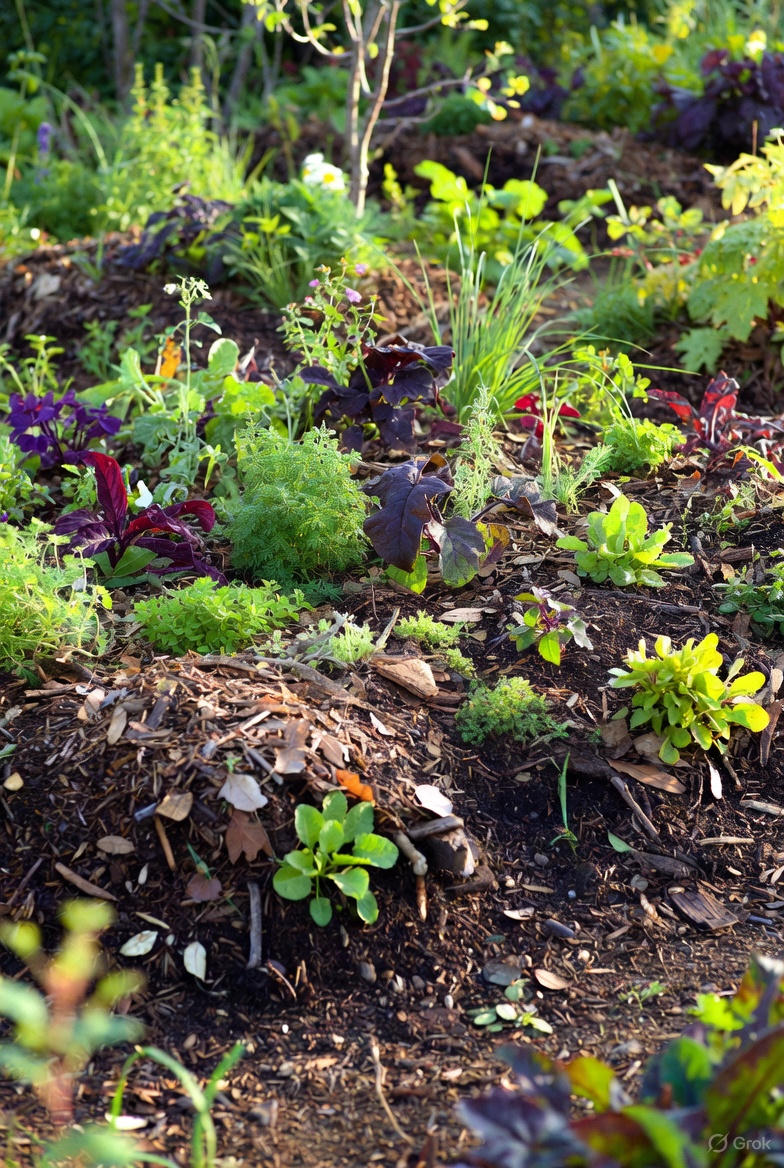
For inspiration, see these Midwest hugelkultur beds in action:


These examples show lush growth with minimal intervention, perfect for busy homesteaders.
Benefits Tailored to Iowa Homesteads
Hugelkultur offers numerous advantages, especially in Iowa’s climate. The decaying wood acts as a water reservoir, holding moisture during dry spells—crucial for our occasional summer droughts—potentially eliminating the need for irrigation after a few years. It naturally increases fertility, releasing nutrients slowly and improving soil structure in our clay-heavy or eroded farmlands. No-dig design maximizes surface area, creating microclimates: sunny south sides for heat-loving plants, shaded north for cool crops.
Cost-effective and eco-friendly, it recycles yard waste, reducing trips to the landfill. In Iowa, where wind erosion is a concern, mounds block breezes and prevent soil loss. In the long term, they support biodiversity by attracting beneficial insects and fungi. Homesteaders report higher yields with less effort, making it ideal for self-sufficiency.
Potential Problems and Solutions
No method is perfect, and hugelkultur has drawbacks. Initial nitrogen drawdown from fresh wood can stunt growth—mitigate by using partially rotted logs or by adding nitrogen sources like manure during construction. Mounds settle 20-50% in the first year, potentially exposing roots; overbuild height and plant accordingly.
Pests like rodents may burrow in—deter with hardware cloth at the base or companion plants like mint. In wet Iowa springs, poor drainage can lead to rot; ensure proper runoff slopes. Weeds may invade early, but heavy mulching curbs their growth. Overall, these issues diminish as the bed matures.
Embracing Hugelkultur in Iowa
Hugelkultur isn’t just a gardening trend—it’s a resilient, regenerative practice rooted in history and adapted for modern homesteads. For Iowans, it turns abundant wood resources into thriving gardens, conserves water, and builds soil amid climate uncertainties. Start small, experiment, and watch your land flourish. With patience, your hugel beds could yield bountiful harvests for generations, embodying the spirit of sustainable living on the prairie.