As the days grow longer and warmer, spring beckons the homesteader to prepare the soil for the planting season ahead. Preparing your soil is a vital step in creating a successful and fruitful garden. By incorporating regenerative practices, you can not only enhance soil health but also contribute to an eco-friendly farming ecosystem. Regenerative agriculture focuses on rebuilding soil health and enhancing biodiversity rather than depleting it.
One key component of regenerative farming is the use of cover crops. These crops, such as clover, rye, or vetch, are planted during the off-season to protect the soil from erosion, suppress weeds, and improve soil structure. As winter approaches, crimping these cover crops just before they go dormant can provide additional benefits. Crimping, the practice of mechanically flattening the cover crops, creates a natural mulch layer that prevents soil erosion and retains moisture. This mulch also reduces weed germination in the spring, allowing your main crops to thrive without competition.
The Benefits of Crimping Cover Crops Before Winter
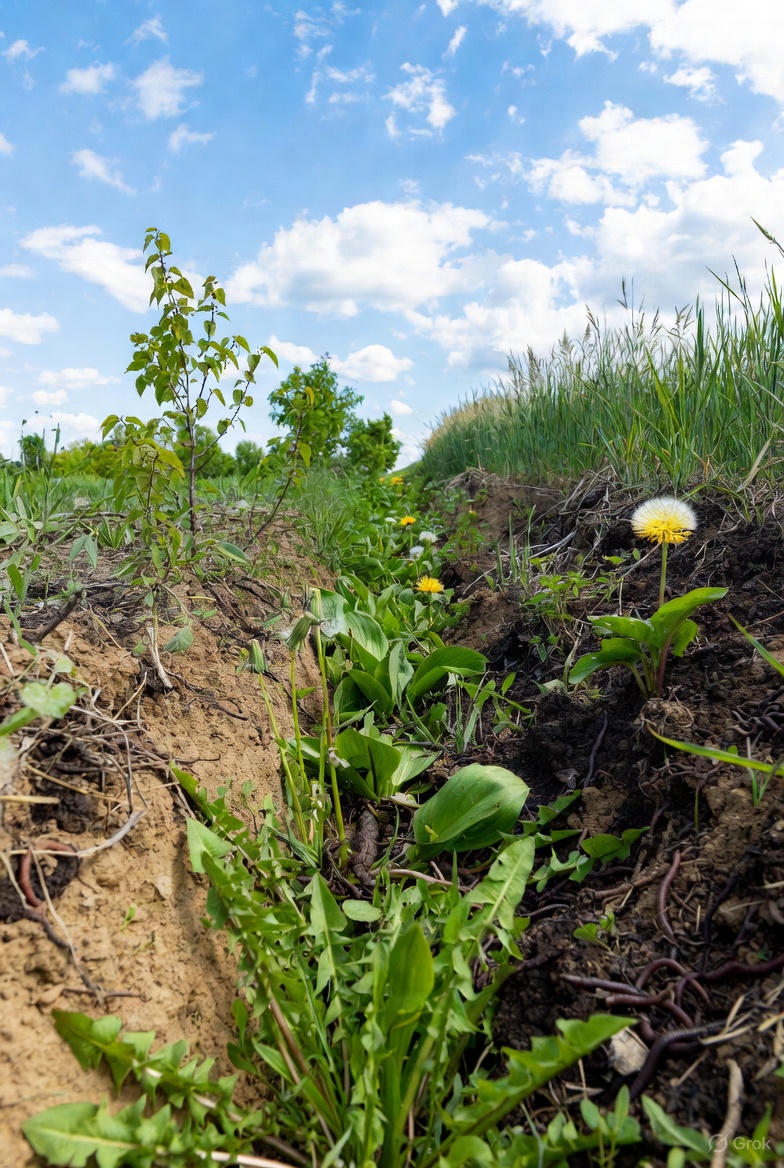
Crimping cover crops before winter is a beneficial practice that can have lasting effects on your soil’s health. When you crimp these crops, you effectively terminate their growth while leaving the roots intact. These roots help hold the soil together, preventing erosion during the winter months. The resultant biomass serves as a protective barrier against harsh winter elements, aiding in soil moisture retention and reducing the leaching of valuable nutrients.
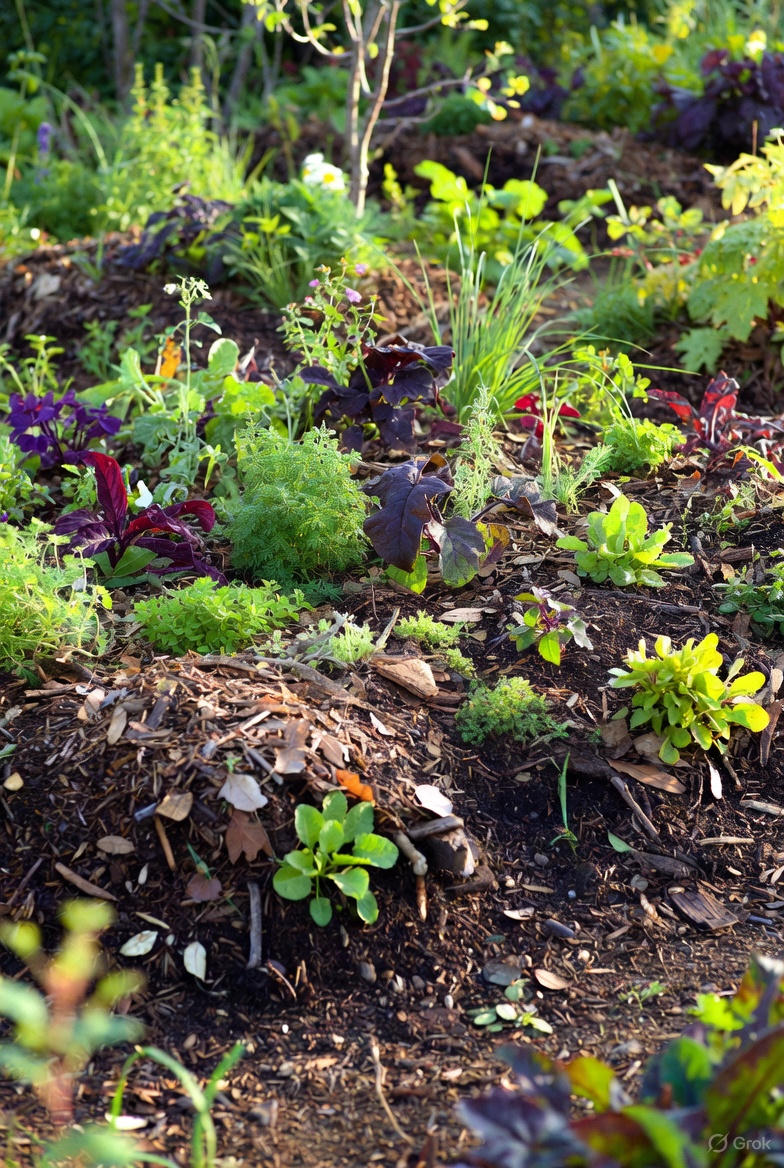
Additionally, crimping allows the decaying plant matter to function as a natural mulch. As it breaks down over time, it enriches the soil with organic matter, promoting microbial activity and increasing nutrient availability for your spring crops. Furthermore, this practice minimizes the need for synthetic fertilizers and chemical herbicides, aligning with the core principles of regenerative agriculture. And keep in mind that anything you allow to grow wild can be a cover crop…recently we crimped the pollinator garden, which consisted of about 40 different species of flowering plants.
Adding Sheep Wool to Soil and Its Benefits
Another excellent amendment to enhance soil health is sheep wool. When you add wool, particularly from Icelandic sheep, to your soil, you introduce numerous benefits. Sheep wool is rich in nitrogen, sulfur, and other essential nutrients, which can improve soil fertility as it decomposes. The slow breakdown of wool provides a steady release of nitrogen, ensuring that your plants receive nutrients throughout their growing season.
Moreover, wool has unique properties that make it an exceptional addition to the soil. It is highly absorbent and can hold significant amounts of moisture, acting like a natural sponge. This water retention helps your soil stay hydrated during dry spells, reducing the need for frequent watering and enhancing drought resilience. In spring, the remaining wool acts as a moisture reservoir, releasing water back into the soil as it dries out after rainfall.
Sheep wool also contains lanolin, which serves as a natural pest deterrent. This can help protect your plants from certain pests that may otherwise disrupt their growth. Additionally, the organic fibers in wool can aid in soil structure, promoting aeration and encouraging healthy root development.

Utilizing Waste Straw from the Deep Bedding Method in Chicken Coops
Utilizing waste straw from the deep bedding method in your chicken coop is another way to enhance your soil while managing waste sustainably. The deep bedding method involves creating a thick layer of bedding material on the coop floor, which absorbs moisture and chicken droppings. Over time, this bedding undergoes natural composting, providing a rich source of nutrients when it is eventually removed.
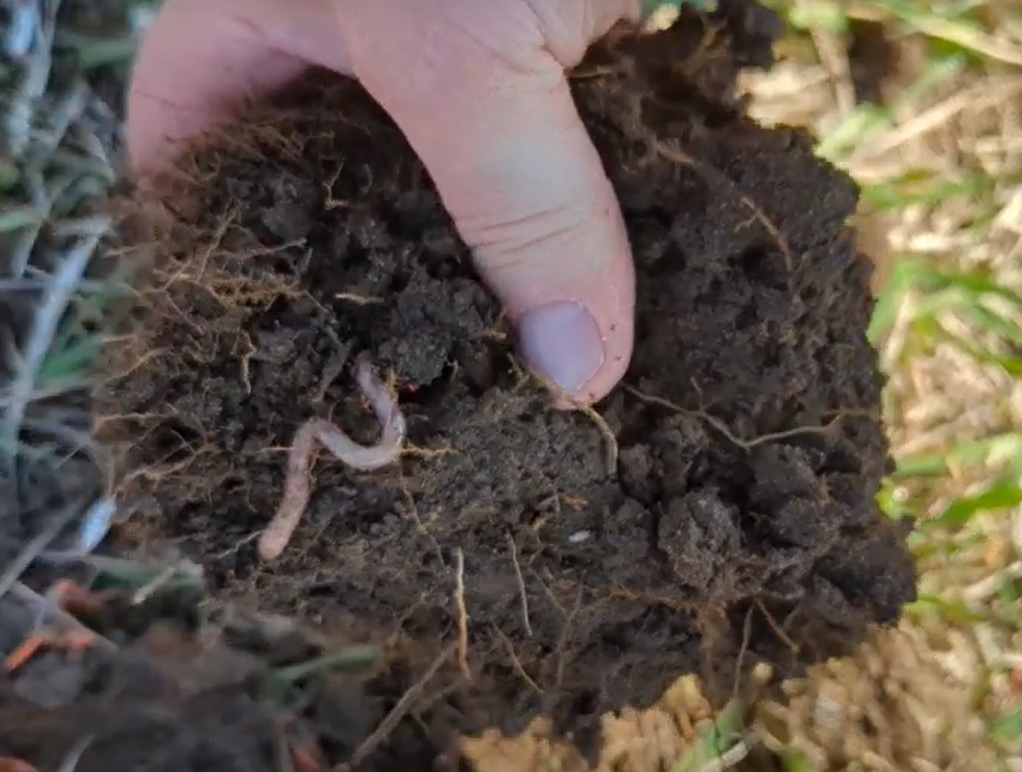
Once the bedding has decomposed sufficiently, it can be spread in your garden or around plants as a nutrient-rich amendment. This not only recycles waste but also adds organic matter to the soil, improving its structure, fertility, and moisture retention capabilities. Adding composted chicken bedding can significantly boost soil microbial activity, thereby enhancing nutrient cycling.
Furthermore, using waste straw from your chicken coop reduces the need for synthetic fertilizers, aligning with regenerative principles. Instead of throwing bedding material away, you recycle it into your soil, promoting a closed-loop system that benefits your garden and reduces waste.

Final Thoughts
Preparing your soil for spring planting using regenerative practices is essential to create a thriving garden while promoting a healthier environment. By crimping cover crops before winter, you can protect and enrich your soil with nutrients. Adding sheep wool from your flock offers excellent moisture retention and natural pest deterrence, while using waste straw from chicken coop bedding helps recycle nutrients back into your soil.
Embracing these regenerative practices not only supports sustainable agriculture but also contributes to a more resilient ecosystem on your homestead. As you approach another planting season, consider these methods to create a healthy soil foundation, ensuring bountiful harvests and a flourishing garden for years to come.